

Are you struggling to expand your brand’s reach in the rapidly evolving digital landscape? Influencer Marketing has emerged as a powerful strategy for businesses looking to connect authentically with their audience. In 2025, the importance of collaborating with influencers is higher than ever, offering measurable results and boosting credibility.
Brands that leverage Influencer Marketing can achieve faster growth by tapping into established communities and building trust through authentic endorsements. Whether you’re a startup or a well-established company, incorporating influencer strategies can elevate your brand visibility, engagement, and ultimately, sales.
Understanding Influencer Marketing in 2025
What Is Influencer Marketing?
Influencer marketing involves partnering with individuals who have a dedicated following to promote your brand. These influencers act as a bridge between your products or services and your target audience, creating authentic engagement.
The Evolution of Influencer Marketing
In 2025, influencer marketing has evolved beyond simple product placements. Micro, nano, and macro-influencers are all playing significant roles, each offering different engagement levels and niche audiences.
Why Brands Are Shifting Towards Influencer Marketing
With traditional advertising losing its effectiveness, brands increasingly rely on influencer campaigns to generate higher ROI, improve brand loyalty, and reach audiences in a relatable manner.
Benefits of Influencer Marketing for Brand Growth
Building Trust and Authenticity
Consumers trust influencers more than traditional ads. A genuine recommendation from a credible influencer enhances your brand’s credibility and strengthens customer trust.
Increased Reach and Exposure
Collaborating with influencers allows your brand to reach new audiences quickly. By leveraging their following, you can expand your visibility in relevant markets. here
Cost-Effective Marketing
Compared to traditional campaigns, influencer collaborations often offer higher engagement for a fraction of the cost. Brands can achieve measurable results without large-scale ad spends.
Key Advantages of Influencer Marketing
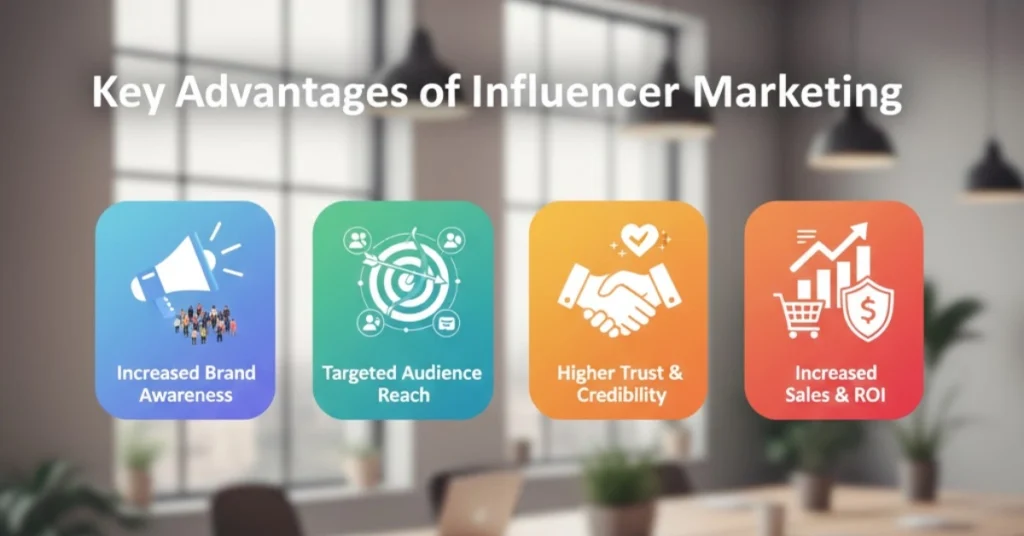
- Authentic Brand Representation
Influencers share honest experiences, making your brand relatable to their audience. - Enhanced Audience Engagement
Posts, stories, and videos drive likes, shares, and meaningful interactions. - Improved SEO and Social Signals
Mentions and backlinks from influencer content boost online presence. - Targeted Reach
Micro-influencers can engage niche audiences effectively. - Higher Conversion Rates
Recommendations from trusted voices often lead to higher sales. - Brand Awareness
Expands your brand recognition among potential customers. - Content Creation Support
Influencers generate high-quality, shareable content for your campaigns. - Trend Alignment
Collaborations position your brand as modern and culturally relevant. - Customer Feedback
Influencers’ followers provide insights that inform product development. - Community Building
Strengthens brand loyalty by creating meaningful relationships with your audience.
Types of Influencers to Collaborate With
Nano Influencers
Typically 1k–10k followers, nano-influencers offer highly engaged audiences, ideal for niche markets.
Micro Influencers
10k–100k followers. Micro-influencers balance reach with personal engagement, making them ideal for campaigns that require authentic connections.
Macro Influencers
100k–1M followers. Macro influencers provide wider reach and visibility, helping brands scale quickly.
Mega Influencers
1M+ followers. Mega influencers are suited for mass awareness campaigns, but may be less personal.
How to Implement an Influencer Marketing Strategy in 2025
Identify Your Target Audience
Understand your brand’s demographic and select influencers whose followers match this profile.
Choose the Right Influencers
Analyze influencer engagement, authenticity, and content style to ensure alignment with your brand. here
Define Campaign Goals
Clearly outline objectives whether it’s brand awareness, product launch, lead generation, or sales conversion.
Monitor and Measure Performance
Track KPIs like engagement rate, website traffic, conversion rate, and ROI to measure campaign success.
Best Practices for Influencer Campaigns
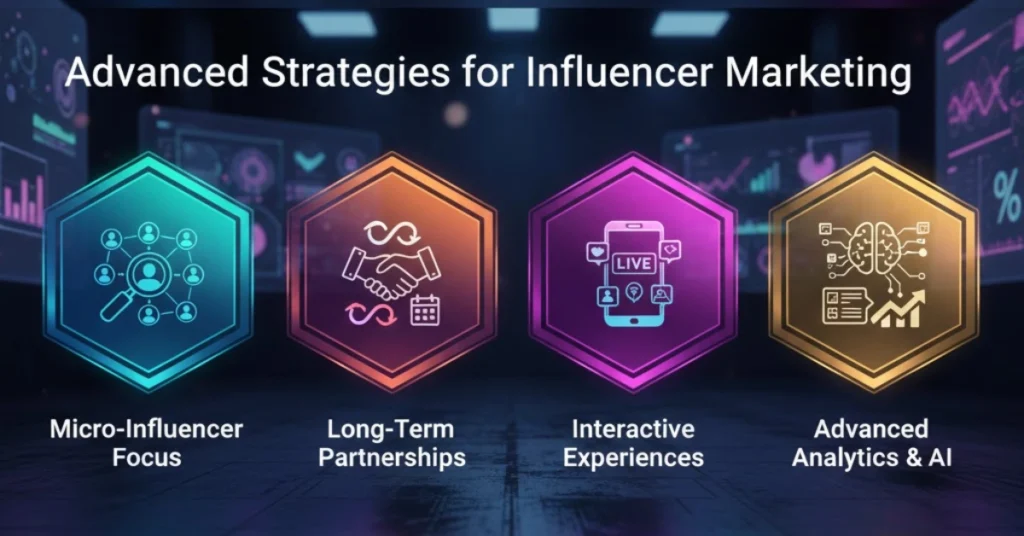
- Set Clear Expectations
Clearly communicate deliverables, timelines, and content guidelines. - Build Long-Term Relationships
Partner with influencers consistently for sustained brand loyalty. - Provide Creative Freedom
Allow influencers to present your brand authentically. - Leverage Multiple Platforms
Instagram, TikTok, YouTube, and blogs for maximum exposure. - Track Analytics
Use metrics to optimize future campaigns effectively. - Use Affiliate Programs
Reward influencers for driving sales to encourage performance. - Maintain Transparency
Disclose partnerships to comply with advertising regulations. - Engage With Their Audience
Respond to comments and participate in discussions to boost credibility. - Repurpose Influencer Content
Use content in ads, newsletters, and social media posts for extended value. - Stay Updated With Trends
Keep campaigns relevant by following new social media trends and platform updates.
Common Mistakes to Avoid in Influencer Marketing
- Ignoring Engagement Metrics
Only focusing on follower count can lead to low campaign effectiveness. - Mismatched Brand Partnerships
Partnering with irrelevant influencers may confuse your audience. here - Overcomplicating Campaigns
Complex campaigns reduce clarity and dilute messaging. - Neglecting Follow-Up
Not analyzing results can prevent learning and improvement for future campaigns.
Conclusion
In 2025, Influencer Marketing is no longer optional it’s essential for brand growth. It helps build trust, increases visibility, drives sales, and fosters community engagement. By collaborating with the right influencers, aligning campaigns with your goals, and measuring performance effectively, brands can achieve sustainable growth and stay ahead of competitors.
Embracing influencer marketing allows your brand to connect authentically, remain relevant, and leverage the power of social proof to expand its reach and impact.
FAQs
It drives authentic engagement, expands reach, and boosts brand credibility.
Choose nano, micro, macro, or mega influencers based on your campaign goals and audience.
Track engagement, website traffic, conversions, and ROI to assess performance.
Yes, trusted influencer recommendations can significantly increase conversions.
Instagram, TikTok, YouTube, and blogs offer high engagement and visibility.