
Repurposing blog posts into social media content is one of the smartest ways to increase your brand’s reach, maximize content ROI, and maintain consistent posting across platforms. Instead of constantly creating new content from scratch, you can transform a single blog post into multiple engaging social media pieces including videos, carousels, infographics, captions, and bite-sized posts.
This step-by-step guide will show you exactly how to turn your existing blog content into high-performing social media assets that attract attention, drive engagement, and boost traffic.
To make your repurposed content even more engaging, consider using storytelling techniques that help your posts stand out. This guide explains how storytelling elevates content marketing in a powerful, strategic way:
1. Start by Choosing the Right Blog Posts

To get the most out of repurposing, begin with blog posts that already show strong potential. Not every article will translate well into social media, so focus on content that is evergreen, actionable, and already performing well. Choosing the right posts from the start ensures your social content is engaging, relevant, and easy to create.
Choose the Best Blog Posts By:
Picking high-performing blogs from analytics
Prioritizing evergreen topics
Selecting posts with clear, actionable tips
Using listicles or step-by-step guides
Choosing posts with strong visuals or data
Aligning topics with current campaigns or trends
The more valuable the blog post, the stronger the social content you can create from it. Choosing the right blog post becomes easier when you understand what makes high-quality content resonate with audiences. If you want to strengthen your content creation skills, this guide on how to become a successful content creator is a great resource:
2. Break the Blog Down Into Key Takeaways
Once you’ve chosen the right blog post, the next step is to pull out the most important information. Breaking the blog into key takeaways helps you identify what can be turned into social media posts.
Instead of repurposing the entire article, focus on the strongest points that offer quick value. These takeaways will later become captions, carousels, videos, or bite-sized posts across multiple platforms.
How to Extract Key Takeaways:
Highlight the main headings and subheadings
Pull out short tips or actionable steps
Extract strong quotes or insights
Identify statistics or data points
Note examples or mini case studies
Capture the blog’s conclusion or key message
Each of these can be turned into a standalone social media post.
3. Choose the Right Social Media Format
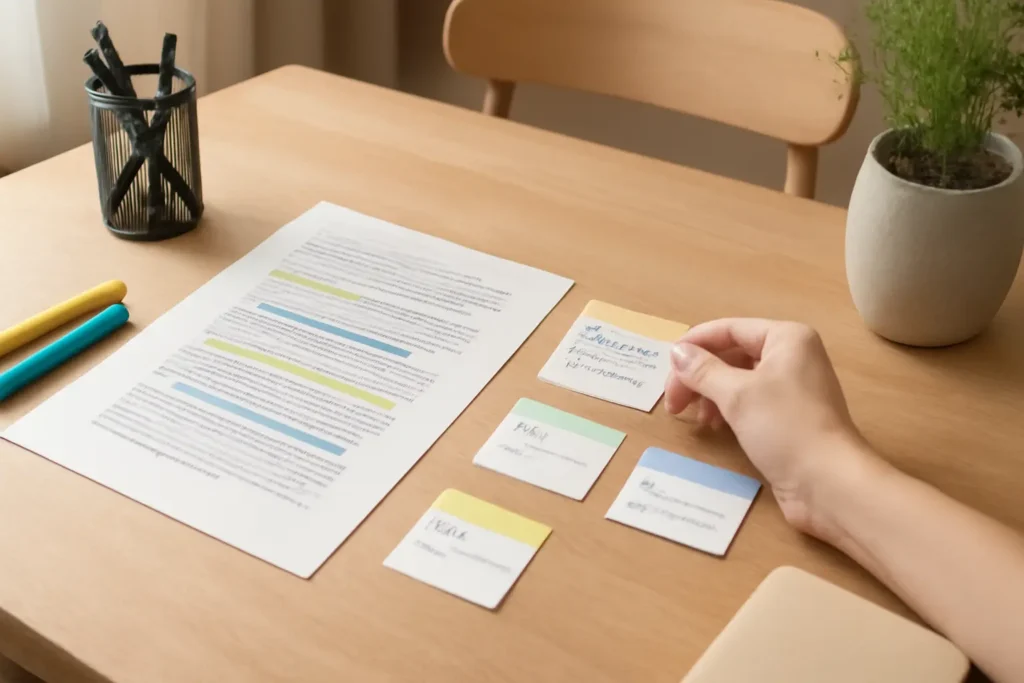
Every social media platform has its own content style, audience behavior, and engagement pattern. To repurpose a blog post effectively, you must match each piece of content to the format that performs best on each platform.
This ensures your message lands correctly, captures attention, and provides value in the way users expect to consume it. Choosing the right format not only improves engagement but also maximizes the lifespan and impact of your blog content across multiple channels.
Best Formats for Each Platform:
Instagram: Carousels, Reels, quote graphics, infographics
TikTok: Short tips, step-by-step videos, storytelling clips
Facebook: Longer captions, shareable graphics, discussion posts
LinkedIn: Professional insights, thought-leadership posts, carousel PDFs
X (Twitter): Threads, bite-sized tips, quotes, statistics
Pinterest: Vertical pins, idea pins, infographics
Each platform gives your blog new life in the format users prefer. Understanding platform-specific formats is a core skill for anyone serious about social media marketing. For deeper insights into effective social strategies, explore how to become a high-demand social media manager.
4. Turn Your Blog Sections into Visual Content
Visuals are the most powerful way to repurpose blog content because they catch attention faster and generate higher engagement across all platforms. By converting sections of your blog into graphics, videos, or carousels, you make the content easier to digest and more appealing to users who prefer quick, visual information.
This step also helps you expand your content into multiple formats, ensuring your blog reaches a wider audience and performs better across social channels.
Effective Visual Content Ideas:
Infographics: Turn data, stats, or step-by-step lists into clean, shareable visuals
Carousels: Use key points or tips to create swipeable slides on Instagram or LinkedIn
Quote Graphics: Highlight strong sentences or insights from the blog
Short Videos: Convert important points into 10–30 second clips for Reels or TikTok
Charts & Diagrams: Visualize comparisons, processes, or trends from your blog
Screenshots or Mockups: Showcase tools, examples, or real-life applications
Tools like Canva, Adobe Express, or Figma make this process fast and easy.
5. Rewrite the Blog Into Social-Friendly Captions
Blog content is written in long paragraphs, but social media requires short, punchy messaging that grabs attention instantly. To make your blog work on social platforms, rewrite key points into captions that are easy to skim, engaging to read, and optimized for each platform’s style.
This means simplifying the language, creating strong hooks, and encouraging interaction. The goal is to deliver quick value while guiding users to engage, save, or click through to the full blog.
Tips for Social-Friendly Captions:
Start with a hook that grabs attention within the first line
Keep sentences short and easy to read
Use line breaks and spacing to improve clarity
Include emojis where appropriate for tone and structure
Add a call-to-action (CTA) such as “save this,” “comment below,” or “read the full blog”
Match the tone to the platform:
Casual for Instagram
Professional for LinkedIn
Direct and concise for X (Twitter)
Blog writing is long-form. Social media requires short, punchy, easy-to-read text.
Example caption based on a blog tip:
Want to get more from your content? Turn one blog post into 10+ social media assets. Here’s how 👇
6. Create a Posting Plan

After converting your blog into multiple pieces of social content, the next step is to organize it into a strategic posting plan. A well-structured content schedule ensures consistent visibility, helps you stay active across all platforms, and prevents content overlap or repetition.
A posting plan also allows you to spread out your repurposed content over days or even weeks, giving each piece time to perform while maximizing the value of your original blog post.
How to Build an Effective Posting Plan:
Batch your content so you have multiple posts ready for the week
Assign each piece to the right platform based on format and audience
Spread posts out strategically to avoid overwhelming your followers
Use scheduling tools like Buffer, Hootsuite, Later, or Sprout Social
Repurpose one blog into 7–15 posts, depending on depth
Maintain consistency in brand voice, visuals, and messaging across platforms
A single blog post can fuel your content calendar for a week or more. Here’s what one blog can turn into:
1 Instagram carousel
3–5 Reels/TikToks
1 LinkedIn post
1 Facebook post
1 Pinterest infographic
1 X (Twitter) thread
Batching content this way helps you publish consistently across all platforms.
7. Optimize for SEO and Hashtags
Once your social content is ready to publish, optimizing it for SEO and hashtags is essential for maximizing visibility. Social platforms now function like search engines, meaning keywords and hashtags play a major role in how your content is discovered.
By incorporating the right keywords, branded terms, and targeted hashtags, you increase your chances of reaching users who are already searching for topics related to your blog. This simple step can significantly boost engagement, impressions, and traffic back to your website.
How to Optimize Your Social Content:
Use primary keywords from your blog in captions and on-screen text
Add niche-specific hashtags instead of broad, overly popular ones
Include a mix of branded, industry, and trend-based hashtags
Optimize alt text for images using descriptive keywords
Tag relevant brands, creators, or partners to increase reach
Place keywords early in the caption for platforms like LinkedIn and Instagram
Use platform-specific SEO techniques (e.g., keyword-rich titles on TikTok or YouTube)
This expands your reach and strengthens your brand visibility across search and social. If you want to strengthen your overall digital presence, pairing social SEO with broader digital marketing tactics can significantly increase visibility and engagement.
8. Track Results and Refine Your Strategy
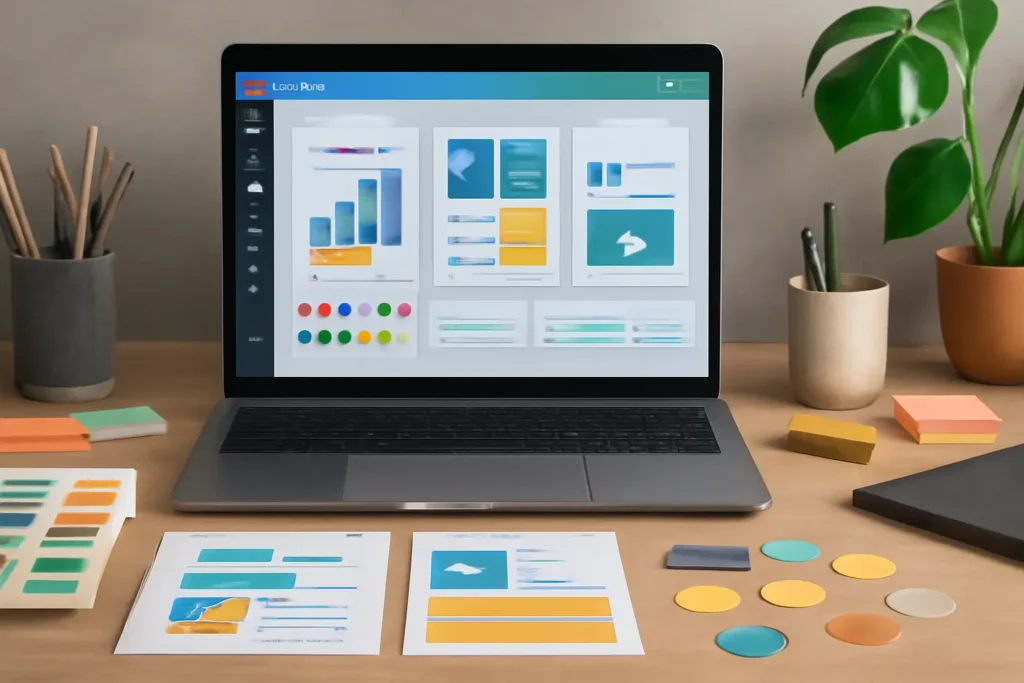
Once your repurposed content is live, monitoring its performance is crucial. Tracking results allows you to understand what resonates with your audience, which platforms deliver the best engagement, and what content formats drive the most traffic back to your blog.
By analyzing this data, you can refine your approach, double down on high-performing content, and adjust areas that need improvement. Continuous optimization ensures your repurposing efforts become more effective over time.
What to Track and Analyze:
Engagement metrics: likes, comments, shares, saves
Reach and impressions: how many people saw your content
Traffic generated: clicks leading back to your blog
Video performance: watch time, completion rate, replays
Platform comparison: which channels perform best
Content format success: videos vs. carousels vs. infographics
Audience behavior: what topics get the strongest response
By reviewing these insights regularly, you can build a smarter, more efficient social media strategy that continually improves your content performance.
Final Thoughts
Transforming blog posts into engaging social media content is one of the most effective ways to extend the lifespan and value of your content. With the right strategy, a single blog can be turned into a week’s worth of high-performing posts across multiple platforms saving time while increasing visibility and engagement.
By selecting the right blog post, breaking it into key takeaways, choosing the best formats, and optimizing for SEO, you create a powerful content engine that consistently drives results. Keep tracking your performance, refining your approach, and experimenting with new formats to stay ahead in an ever-changing digital landscape.