
When you start building your website, your first goal is usually to help your visitors find what they need. But one of your “visitors” is actually a search engine. Search Engine Optimization (SEO) helps search engines understand your content and helps real users decide whether your page is worth visiting. In this blog, you’ll learn the essential SEO practices you can apply on your website to make your site easier to discover, easier to understand, and more helpful for users.
How Google Search Actually Works for Your Website
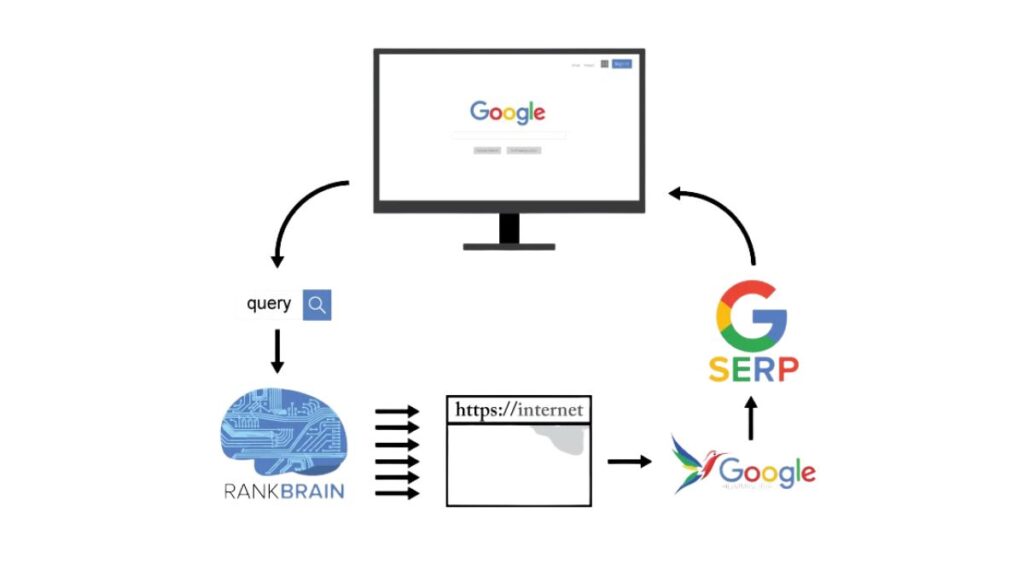
Google works through automated crawlers that scan the web, find new pages, and store information about them. You don’t have to submit your website manually—Google discovers most sites on its own.
Your job is to make it easier for Google to crawl, index, and understand your content. This starts with clear structure, readable text, and pages that load properly for users. Once Google understands your pages, it’s more likely to show them in search results.
How Long It Takes to See SEO Results
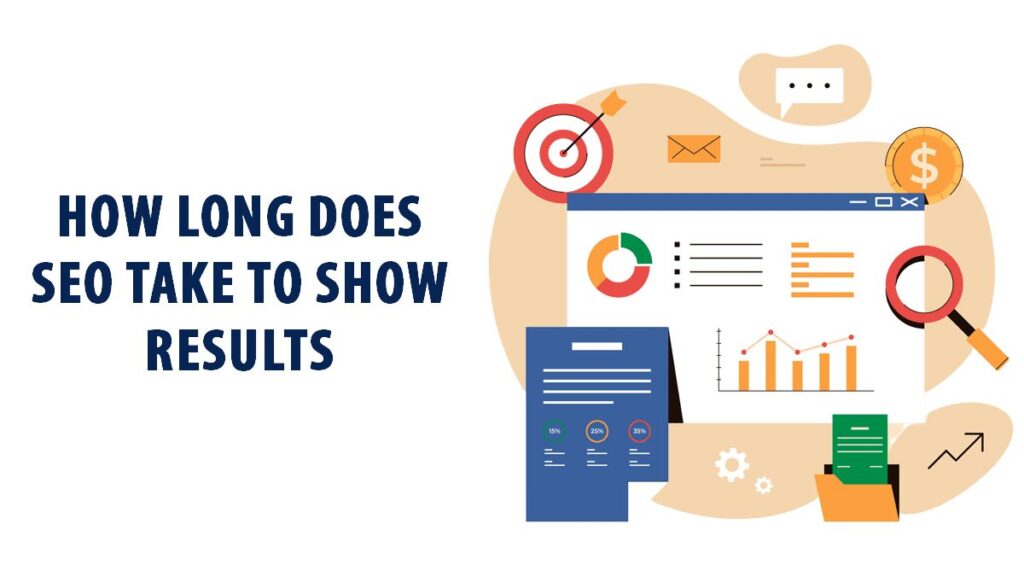
When you make changes to your SEO, the results aren’t instant.
Some updates may show small improvements within days, while others take weeks—or even months. The important thing is to stay patient. If something isn’t working well, review your strategy, experiment with changes, and track how your website responds. SEO is an ongoing process, not a one-time task.
Helping Google Discover and Read Your Content
Before adjusting anything, search Google using the site: operator to check if your pages are already indexed. If your pages appear, Google already knows your content exists. If not, check your technical setup, robots rules, and hosting performance.
To help Google find new pages:
- Share content so others naturally link to it.
- Create valuable pages that attract attention over time.
- Consider adding a sitemap if you’re comfortable with technical tasks.
You should also make sure that Google sees your page the same way a user does. If you block CSS, JavaScript, or images, Google may struggle to understand the page layout or content. This affects rankings, so always let Google access the same resources users view.
Structuring Your Website for Better SEO
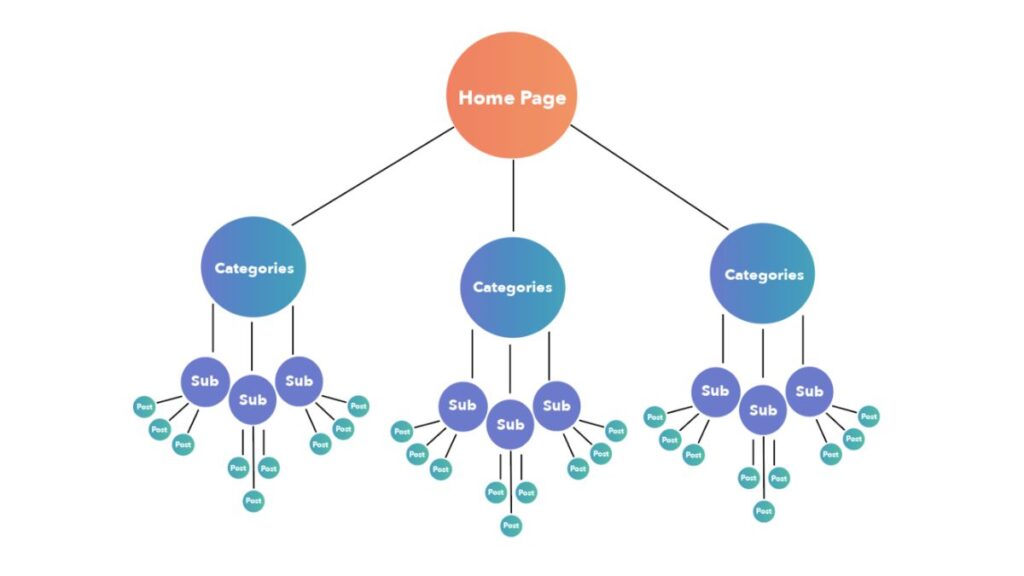
Website organization helps both users and search engines understand how your pages relate to each other. You don’t have to reorganize your whole site, but you should keep these principles in mind:
Use descriptive URLs
Instead of random numbers, use words that describe your content. This makes your pages easier for users to understand and easier for Google to categorize.
Group related topics together
Folders or categories help Google learn which parts of your site update frequently. Pages about company policies may not change often, but promotional pages may change weekly. Google uses these patterns to plan how often to crawl your site.
Reduce duplicate content
If the same content appears under multiple URLs, set a preferred version or add canonical tags. This helps avoid confusion for users and reduces wasted crawling.
Creating High-Quality and Helpful Content

Great content is still the strongest part of SEO. When you write for your website keep these qualities in mind:
- Easy to read: Break long sections into smaller paragraphs and clear headings.
- Original: Write your own explanations instead of copying others.
- Updated: Review older content and improve or remove anything outdated.
- People-first: Focus on helping users, not manipulating search engines.
- Accurate: Use facts, experience, and clarity to build trust.
Also consider how different users search. Beginners may use simple keywords, while advanced users may search for technical terms. Your content should help both groups without forcing exact keywords everywhere.
Avoiding Distractions and Bad User Experience
Ads are normal, but too many ads can make your pages difficult to use. Pop-ups, aggressive banners, and confusing layouts push users away.
Keep your design clean and focused on the information your visitors came to find. This helps both your rankings and your reputation.
Using Links Wisely and Safely
Links help Google discover more content on your site. They also guide your users to related information. When you add links:
- Use clear anchor text that describes the destination.
- Only link to trustworthy sites.
- Use nofollow for untrusted or user-generated links.
This prevents your website from being linked to spammy content and helps Google understand your structure.
Optimizing Titles, Snippets, Images, and Videos
Your title link is often the first interaction a user has with your site. Make your titles clear, descriptive, and unique. Snippets come from your page’s actual content or your meta description, so write summaries that reflect your page honestly.
For images:
- Use high quality visuals.
- Place them near relevant text.
- Add descriptive alt text to help Google understand what the image represents.
For videos:
- Embed them on their own pages.
- Add descriptive titles and text around the video.
- Keep the quality high so users stay engaged.
Promoting Your Website the Right Way
Promotion helps your content reach new audiences faster. Some effective methods include:
- Sharing new posts on social platforms
- Participating in communities related to your topic
- Creating newsletters
- Encouraging offline mentions such as business cards or posters
But avoid over-promotion. Excessive posting can annoy audiences and harm your online reputation.
What You Should NOT Focus On
SEO has changed over the years, and some old techniques are now outdated or harmful.
You should not focus on:
- Meta keyword tags (Google ignores them)
- Keyword stuffing
- Overthinking domain extensions
- Trying to meet exact word counts
- Expecting subdomains to automatically rank better
- Assuming duplicate content will get you penalized
- Over-controlling heading order
- Treating E-E-A-T as a direct ranking factor
Instead, focus on creating helpful content and a positive user experience.
Your Next Steps in SEO
As you continue to build your website, consider:
- Setting up Search Console to monitor performance
- Using structured data to enhance your search appearance
- Managing your site’s SEO long-term by updating content regularly
- Learning how multilingual sites, site moves, and media content affect SEO
SEO is not something you finish once, it’s something you grow with over time.